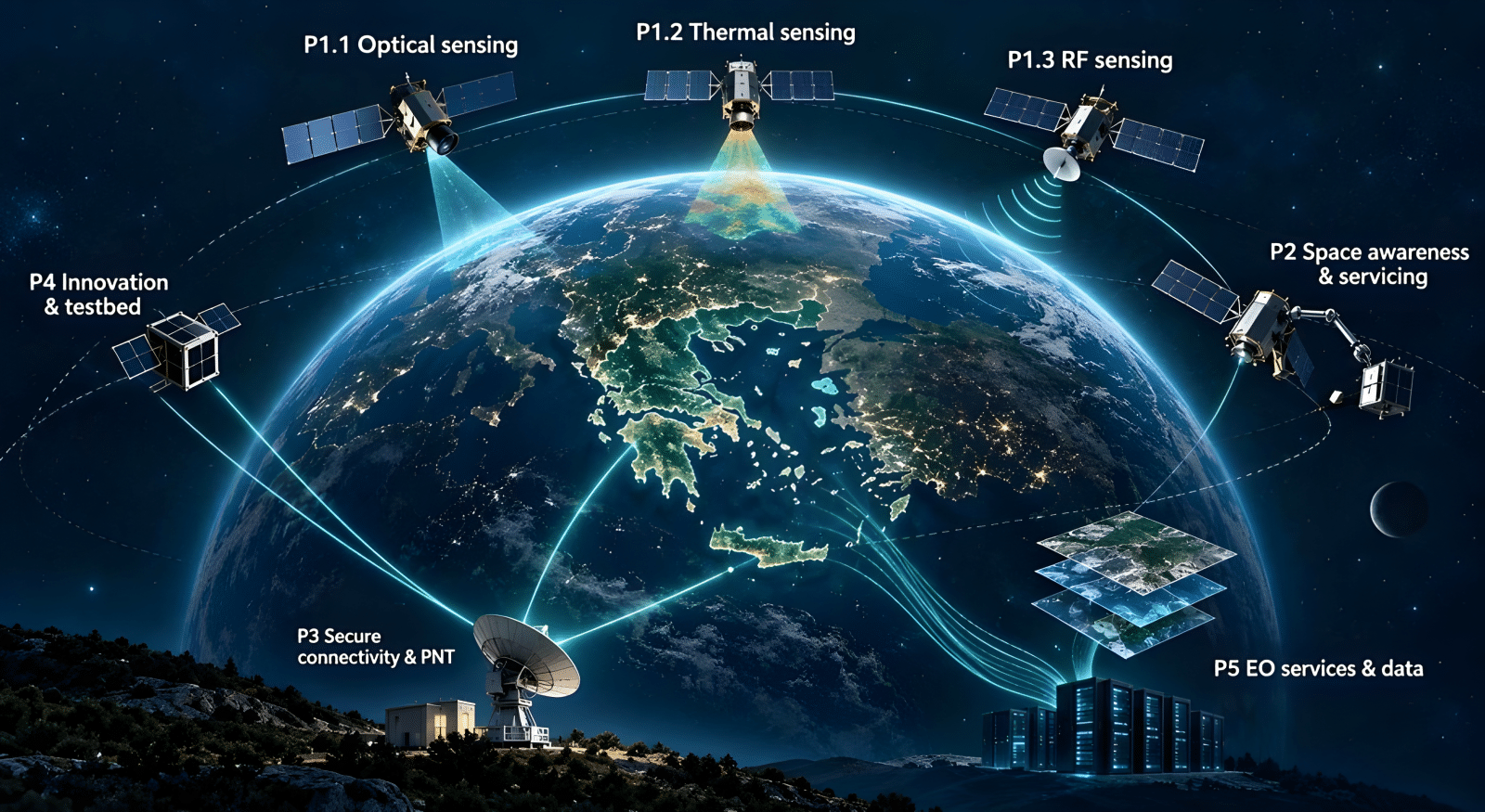


HELLAS-SPACE 2.0 builds upon the National Smallsat Program and is fully funded by the European Recovery Fund. The program is also being implemented through ESA, with completion planned by the end of 2029 and the possibility of an extension into 2030.
In the second half of 2026, the European Space Agency (ESA) will launch procurement procedures for satellites, space surveillance and data infrastructure, with the first contracts expected to be signed in early 2027. Secure communications and innovation-related calls will follow later in 2027, with a target of at least 50% Greek participation.
With a budget of €350 million, the programme builds on the first €200 million National Space Programme. That programme provided Greece with 13 Earth observation satellites, CubeSats, ground infrastructure, and satellite assembly and testing facilities. The second phase marks the transition from the country’s first space infrastructure to a comprehensive national space capability, structured around seven programme lines, ranging from satellites in orbit to ground-based data services.
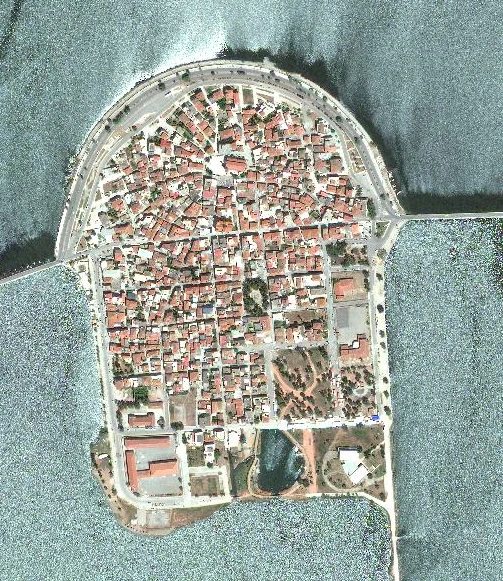
Very High-Resolution Optical Satellites
A new satellite constellation providing sub-meter-resolution imagery with daily coverage of Greece. It will support civil protection, border and maritime surveillance, agriculture, and infrastructure monitoring.
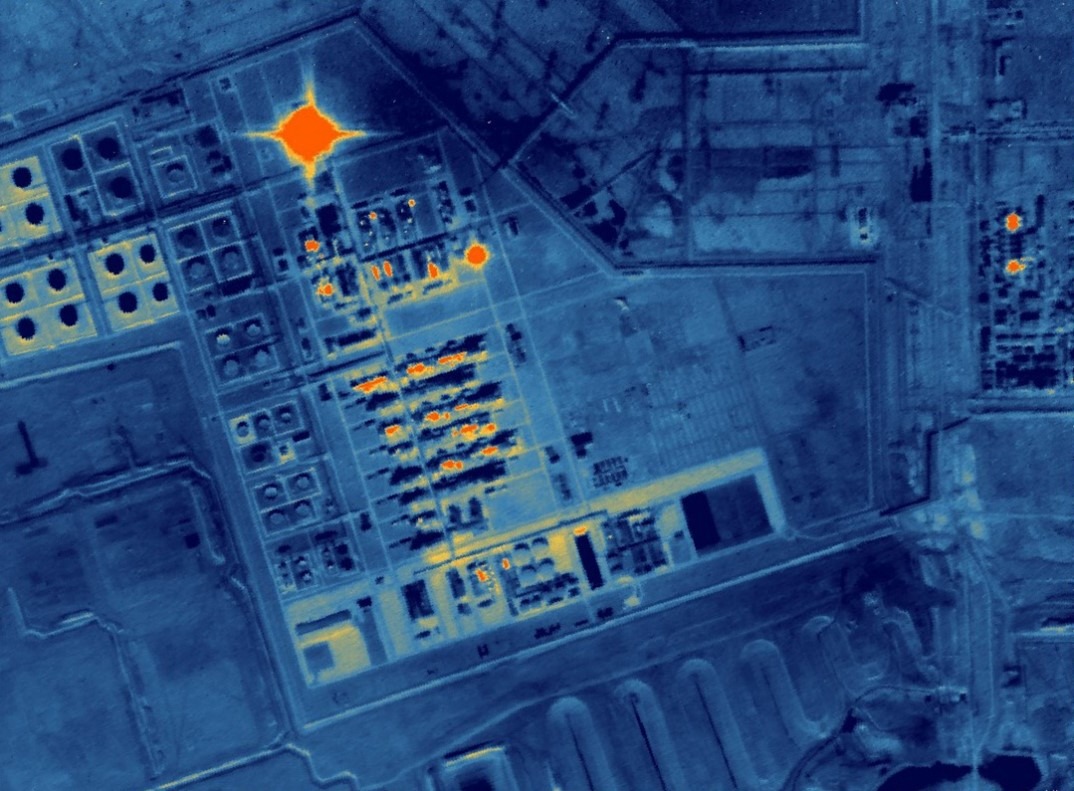
Thermal Imaging Satellites
Satellites that can detect heat, enabling them to operate at night as well as during the day. They will support early wildfire detection, active fire-front mapping, and environmental monitoring.
Signal Intelligence Satellites
A swarm of small satellites designed to detect radio-frequency emissions from space. It complements optical and thermal sensors, for example by helping to detect and track vessels that are not transmitting their position.

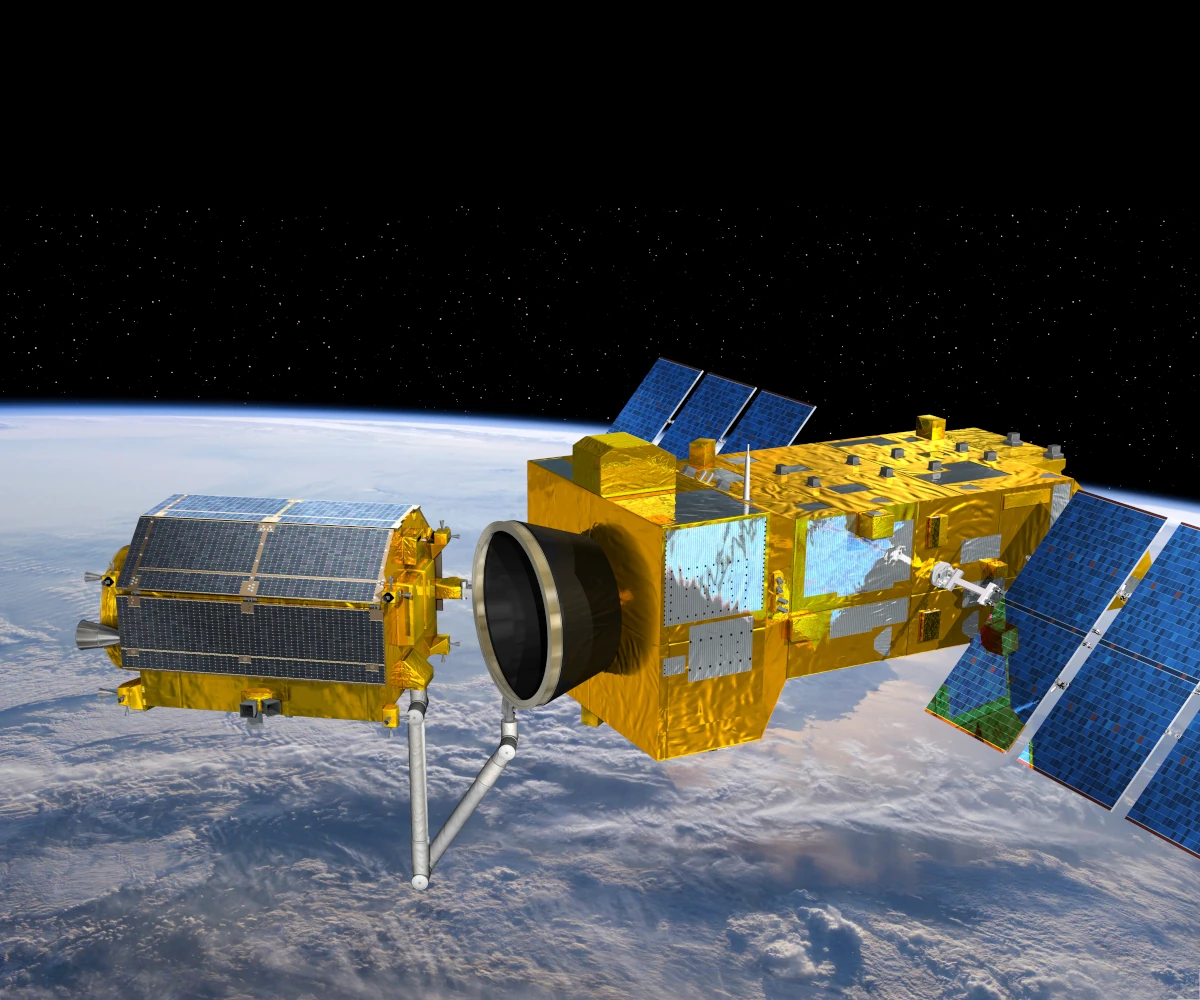
In-Orbit Surveillance and Operations
A demonstration mission for the inspection of objects and proximity operations in space, targeting a launch by the end of 2029. This sector is developing rapidly in Europe, and Greece aims to establish an industrial presence in this field as well.
Secure Communications and Satellite Positioning
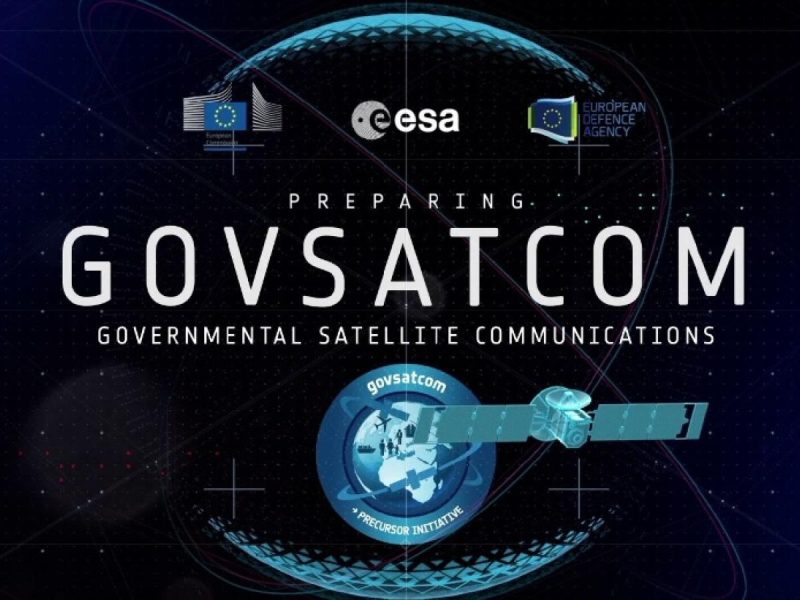
Domestic production lines for secure satellite communication terminals and Galileo PRS receivers, designed for use across islands, maritime areas, borders, and critical infrastructure. The systems will be designed to be compatible with the European GOVSATCOM and IRIS² systems.
Innovation and In-Orbit Testing
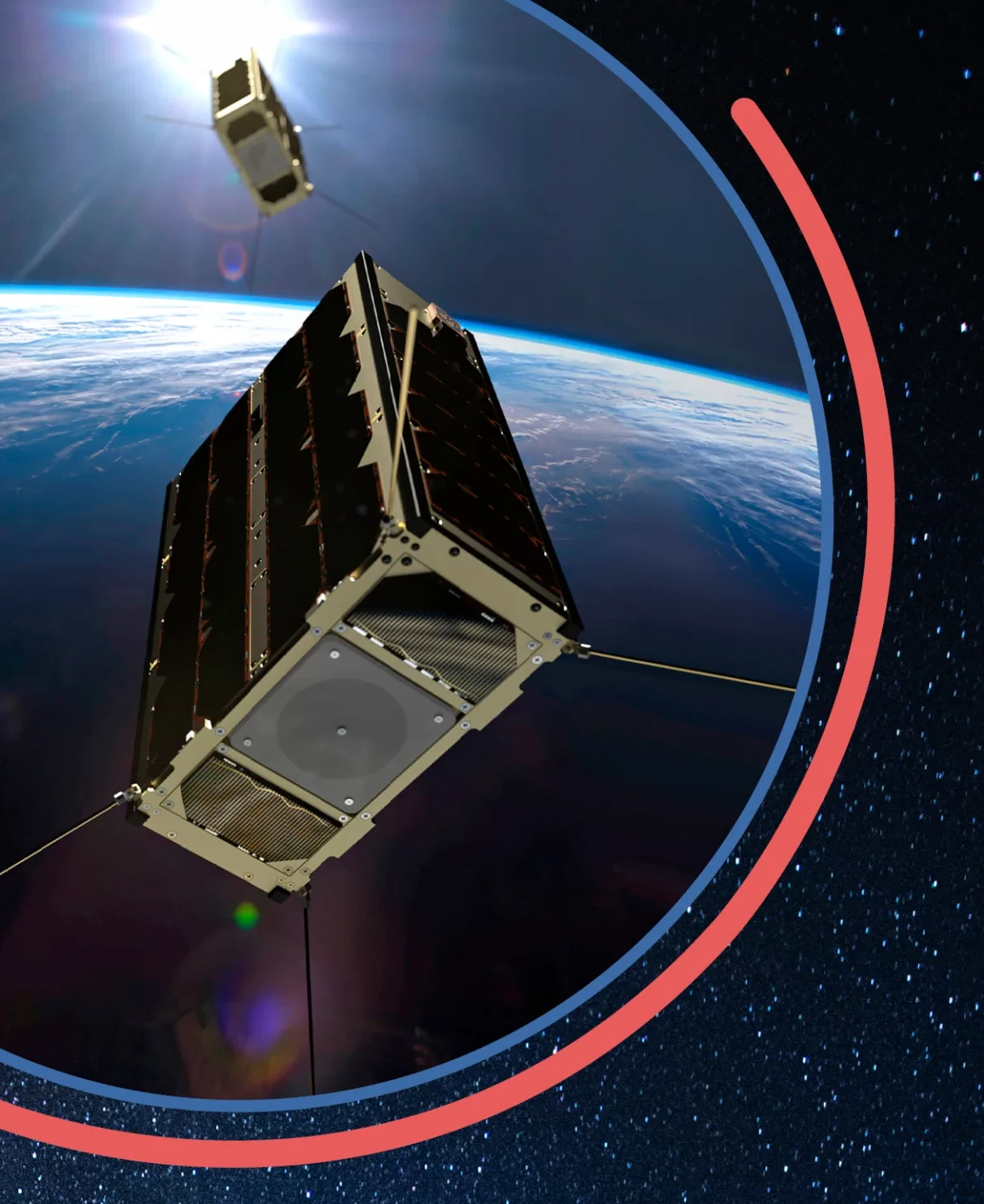
A program that enables Greek companies, start-ups and research organizations to test their technologies in space, allowing them to compete for roles as prime contractors rather than solely as subcontractors.
The first call for expressions of interest has already been completed.
Earth Observation Services and Data Infrastructure
Expansion of the National Data Hub, faster data delivery, and new services for maritime safety, weather and climate forecasting, and public administration. This is where investment in space translates into services for citizens.

Implementation Plan
- The procurement procedures are conducted by ESA, in accordance with transparent European rules.
- The satellite projects first undergo a maturation phase involving parallel competing solutions, allowing the most reliable solution to be selected.
- Contractors must be established in Greece and ensure at least 50% Greek participation.
- Contractors are evaluated not only on price, but also on their commercial exploitation plan and their long-term investment commitment in Greece.
The aim is for the program to leave behind not only satellites, but also a strong Greek space industry, jobs and expertise.